Ultimate Tips for Choosing Photovoltaic Connectors for Efficiency?
Choosing the right Photovoltaic connectors is crucial for optimizing solar energy systems. These connectors play a key role in ensuring efficient power transmission. A poorly chosen connector can lead to energy loss and system failures. Think about the various environments your solar panels may face. Different climates can affect connector performance and durability.
One must consider factors such as temperature ranges and humidity levels when selecting photovoltaic connectors. Not all connectors are designed to withstand harsh conditions. Inadequate specifications can result in higher maintenance costs over time. Evaluating the materials used in connectors is essential. For example, corrosion-resistant options can enhance longevity.
While many resources claim to provide definitive answers, the reality is more complex. Users often neglect specific requirements, leading to common mistakes. Reflecting on these choices is necessary for making informed decisions. A thoughtful approach can dramatically improve your solar system's efficiency. Understanding the nuances of photovoltaic connectors may seem daunting, but it is a worthwhile endeavor.
Understanding the Role of Photovoltaic Connectors in Solar Systems
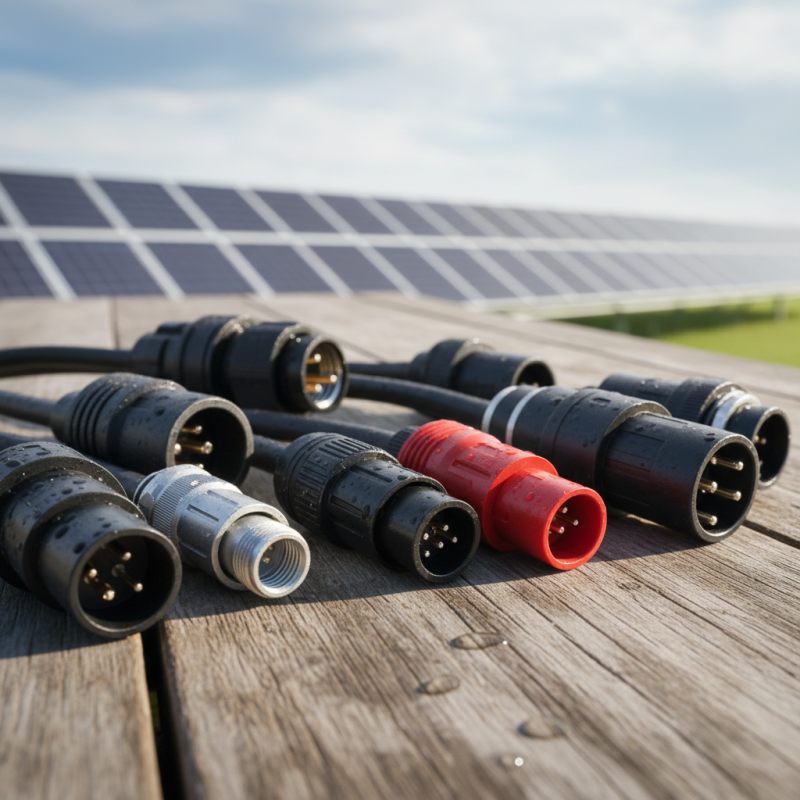
Photovoltaic connectors play a crucial role in solar energy systems. They ensure a seamless connection between solar panels and inverters, allowing energy to flow efficiently. Selecting the right connectors can significantly influence the overall system performance. These small components endure harsh weather and thermal variations. Thus, their quality is paramount for longevity and reliability.
When choosing connectors, consider the material they are made from. High-quality metals can resist corrosion and oxidation. This is essential in outdoor environments. Look for connectors with durable insulation. This helps prevent electrical leaks and enhances safety.
Another tip is to check the rating of connectors. Ensure they can handle the voltage and current required by your system. Compatibility is key, too. Connectors must fit your panels and inverters perfectly. An improper fit could lead to inefficiencies. Always invest time in research. Don't rush the selection process; it can impact energy generation significantly.
Efficiency Comparison of Various Photovoltaic Connectors
This chart illustrates the efficiency levels of various photovoltaic connectors, highlighting the performance differences among different connector types used in solar systems. The MC4 connector stands out with the highest efficiency, while Hirschmann shows a lower performance metric.
Key Factors Influencing the Efficiency of Photovoltaic Connectors
When selecting photovoltaic connectors, efficiency is vital. Certain factors directly affect their performance. Connector design, for example, can impact power loss during operation. A study indicated that improper design may result in a loss of up to 3% in energy conversion. Compact designs often lead to better thermal management.
Connector materials also play a crucial role. High-quality materials can reduce resistance. A report highlighted that connectors made from increased copper content showed a 15% improvement in conductivity. However, not every manufacturer guarantees high-quality material usage. This inconsistency could lead to future maintenance issues and reduced efficiency.
The installation process is often underestimated. Poor installation may lead to loosened connections, increasing resistance. This can reduce efficiency by 2-5%. Moreover, environmental factors can compromise connector longevity. Humidity, temperature variations, and UV exposure all contribute to connector degradation. Neglecting these elements can lead to performance issues down the line.
Types of Photovoltaic Connectors and Their Applications
When it comes to photovoltaic connectors, understanding their types and applications is vital. Different connectors serve unique purposes within solar energy systems. For example, MC4 connectors are widely used for solar panel interconnections. These connectors are designed for reliability and can withstand various weather conditions. Their robust design ensures they remain secure throughout their lifespan.
Another type is the XT60 connector, often used in battery management systems. These connectors provide a strong and safe connection that can handle high currents. Their lightweight design suits small solar projects and portable applications. However, users should carefully assess their specific needs. Choosing the wrong connector might lead to performance issues.
Tips: Always consider the environment where the connectors will be used. Harsh conditions can damage inferior connectors. Regular inspections can prevent malfunction. Also, ensure the connectors are compatible with your solar system components. Cutting corners here is not an option; doing so can impact entire system efficiency. Test your connections to ensure they maintain optimal performance over time.
Best Practices for Installing Photovoltaic Connectors for Optimal Performance
When installing photovoltaic connectors, proper planning is crucial. Selecting the right location for connectors minimizes exposure to moisture and reduces wear. Make sure to position them in well-ventilated areas. Good airflow helps to dissipate heat generated during operation. This can lead to longer component life and improved efficiency in energy harvesting.
Pay attention to the way connectors are mounted. Ensure secure fittings to prevent disconnections over time. Loose connections can lead to heat build-up. This can cause inefficiencies and potential damage. Using appropriate torque settings during installation is essential. Over-tightening can also create stress fractures. Regular inspection of connectors can help catch issues before they escalate.
Safety should always be a priority. Use insulated tools when working with live circuits. This helps to prevent electrical shocks or short circuits. Training for installers is important. Even small oversights can lead to performance drops. Clear, organized workspaces can enhance focus and efficiency during installation. An orderly installation process benefits the overall project outcome.
Ultimate Tips for Choosing Photovoltaic Connectors for Efficiency | Connector Type | Material | Current Rating (A) | Voltage Rating (V) | Temperature Range (°C) | IP Rating |
| MC4 | PVC | 30 | 1000 | -40 to 85 | IP67 |
| H4 | TPE | 32 | 1500 | -40 to 90 | IP68 |
| AMP | POM | 40 | 1000 | -40 to 85 | IP65 |
| KST | Nylon | 25 | 1500 | -40 to 85 | IP67 |
| SolarEdge | Polymer | 20 | 1000 | -40 to 90 | IP68 |
Maintenance Tips for Ensuring Longevity of Photovoltaic Connectors
Proper maintenance of photovoltaic connectors is crucial for their longevity and efficiency. Regular inspections are essential. At least once every six months, check for signs of wear or damage. A report by the National Renewable Energy Laboratory states that well-maintained connectors can improve overall system performance by up to 15%. This means that neglecting maintenance can lead to significant energy losses.
Cleanliness is another key factor. Dust and debris can obstruct electrical connections, leading to overheating. Use a soft brush or cloth for cleaning. It’s important to avoid harsh chemicals that could damage the materials. The industry suggests that maintaining a clean environment around connectors can extend their life by 20%. It’s worth considering the potential costs of replacement versus routine upkeep.
Temperature fluctuations can also affect connector integrity. Extreme heat or cold can cause materials to expand and contract, leading to cracks or loose connections. Monitoring local weather patterns can help in planning preventive measures. Moreover, keeping connectors sheltered from harsh elements can prevent premature wear. Over time, this attention to detail can greatly enhance the reliability of photovoltaic systems.
