What is a Small Diesel Generator and How Does It Work?
In the growing energy sector, small diesel generators have emerged as vital power sources for various applications. According to a recent industry report by Technavio, the global portable diesel generator market is projected to grow by over $300 million from 2023 to 2027. Small diesel generators are compact, efficient, and ideal for remote locations where grid power is unavailable. They can deliver reliable electricity for construction sites, outdoor events, and emergency backup.
Despite their advantages, small diesel generators face criticism due to environmental concerns. Diesel engines emit pollutants, contributing to air quality issues. A 2022 study highlighted that small diesel generators can emit nitrogen oxides and particulate matter, raising health risks. It’s essential for users to consider these factors and explore cleaner alternatives when possible.
The functionality of small diesel generators relies on diesel fuel's energy density. This makes them more efficient than gasoline generators, but the trade-off is their environmental footprint. Users need to reflect on their power needs and the broader impacts of their energy choices. Ultimately, while small diesel generators offer substantial benefits, awareness of their limitations is crucial for sustainable energy use.
Definition and Purpose of Small Diesel Generators
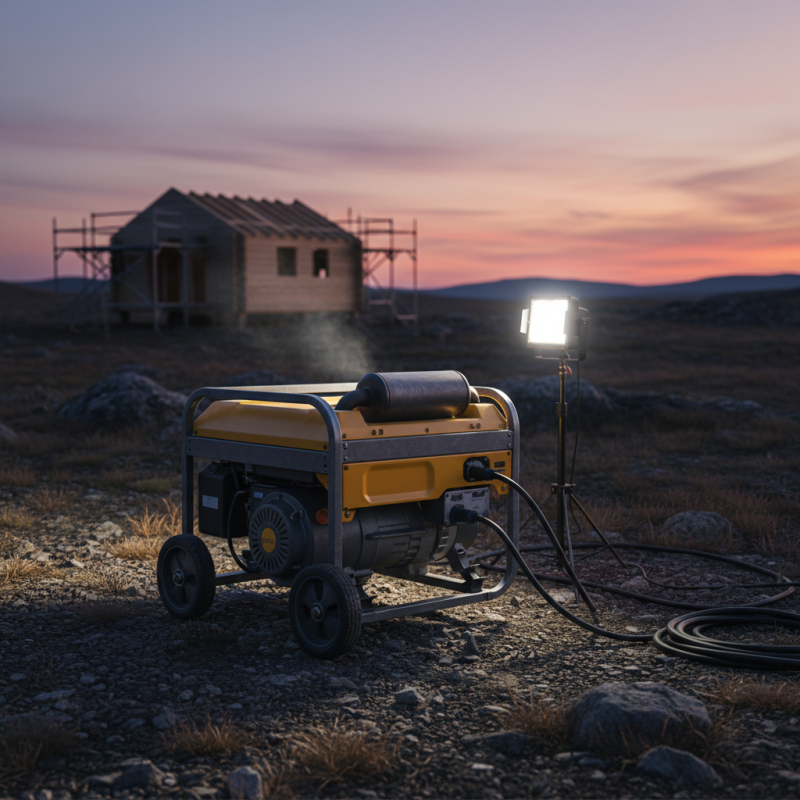
Small diesel generators are compact, portable machines. They provide electrical power in various settings. Often, they are used where utility power is unreliable. Construction sites, farms, and remote locations benefit greatly from them.
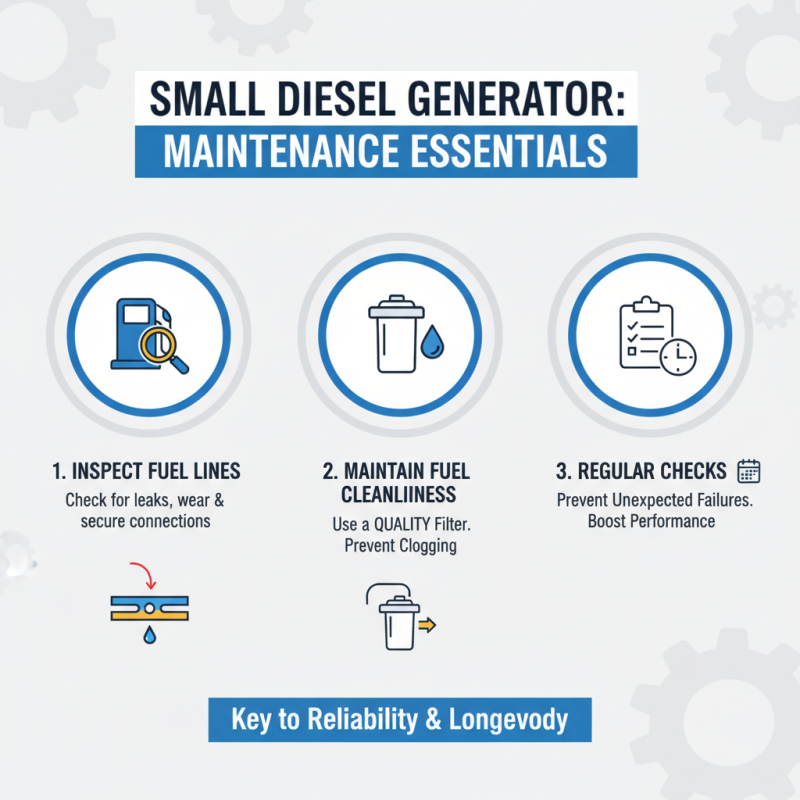
The main purpose of small diesel generators is to offer backup power. They kick in during outages, ensuring essential devices remain operational. Their engines run on diesel fuel, making them efficient and durable. However, they require regular maintenance to function properly. Neglecting upkeep can lead to performance issues and shorter lifespans.
Many users appreciate their reliability but sometimes find them a bit noisy. This can be bothersome in residential areas. Furthermore, the initial cost can be a barrier for some. We must always weigh the benefits against potential downsides. In many cases, the long-term savings on energy can justify the expense.
Components of a Small Diesel Generator
Small diesel generators are compact machines that provide reliable power in various situations. They consist of several key components that work together to generate electricity efficiently.
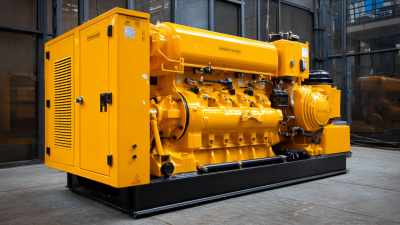
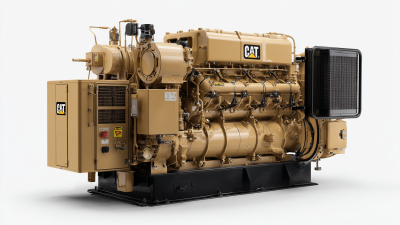
The heart of a small diesel generator is the engine. It converts diesel fuel into mechanical energy. An alternator then transforms this mechanical energy into electrical power. The fuel system delivers diesel to the engine, ensuring it runs smoothly. Additionally, there’s a cooling system to prevent overheating during operation. This is crucial for maintaining efficiency and longevity.
Tips: Regular maintenance is essential. Check the oil levels and filters often. A clean engine runs better and lasts longer.
The control panel monitors performance. It shows essential metrics like voltage and frequency. A sturdy frame holds everything together, providing stability. Sometimes, these frames can rust. It’s important to inspect them regularly. Over time, wear and tear can affect performance.
Tips: Store your generator in a dry place. Protect it from harsh weather. This will extend its lifespan significantly. Remember, even small issues can lead to bigger problems if not addressed.
Power Output of Small Diesel Generators
How Small Diesel Generators Generate Power
Small diesel generators are compact machines used for power generation. They work by converting diesel fuel into mechanical energy. This process begins when diesel is injected into a combustion chamber. Here, it ignites due to compression, creating high-pressure gases. These gases push against pistons, generating rotational energy.
As the engine runs, it drives an alternator. The alternator has magnets that move past coils of wire. This movement generates electricity through electromagnetic induction. The power produced can be stored or used immediately. Small diesel generators are often used in remote locations or during power outages. They are handy, but they can be noisy and emit exhaust.
While they provide reliable power, users should consider maintenance. Regular checks on fuel systems and oil levels are essential. Neglecting these can lead to breakdowns. Additionally, the environmental impact of diesel emissions should not be overlooked. It's crucial to weigh the convenience against these factors.
Common Applications and Uses of Small Diesel Generators
Small diesel generators are versatile power solutions used in various sectors. They provide electricity in remote areas and during outages. These generators range from 1 kW to 20 kW. According to a recent industry report, the demand for portable diesel generators is expected to grow by 7% annually. This growth stems from their efficiency and reliability.
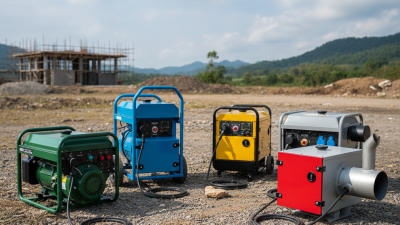
Construction sites often rely on small diesel generators for machinery operation. In events, they supply power for lighting and sound systems. Agriculture also benefits, using these generators for irrigation systems. Research shows that 40% of construction projects in rural areas use diesel generators as primary power sources. This highlights their importance in day-to-day operations.
Tips: Regular maintenance can extend the life of your generator. Check the oil levels and fuel quality periodically. Ensure there’s no obstruction to the air vents to avoid overheating. Proper care can make a significant difference. Lastly, consider the noise level. Some generators produce more sound than others. Always be mindful of your environment.